
Mastitis
Mastitis is a painful inflammation of the breast tissue that can affect breastfeeding parents. It is the body’s feedback mechanism to down-regulate milk supply when you’re making more than you’re removing. It isn’t something to fear if you have the tools to manage it well. Keep reading for all the tips.
What Is Mastitis?
Mastitis is an inflammation of the breast, which may or may not involve an infection. It commonly occurs during breastfeeding and is characterized by pain, redness, and flu-like symptoms. If left untreated, mastitis can lead to a breast abscess, requiring more intensive medical intervention.

Causes of Mastitis
Milk Stasis:
-
- Incomplete drainage of the breast can lead to milk buildup and inflammation.
Nipple Damage:
-
- Cracked or damaged nipples can allow bacteria to enter the breast tissue, increasing the risk of infection.
Overabundant Milk Supply:
-
- Producing more milk than the baby needs can contribute to milk stasis and inflammation.
Symptoms of Mastitis
-
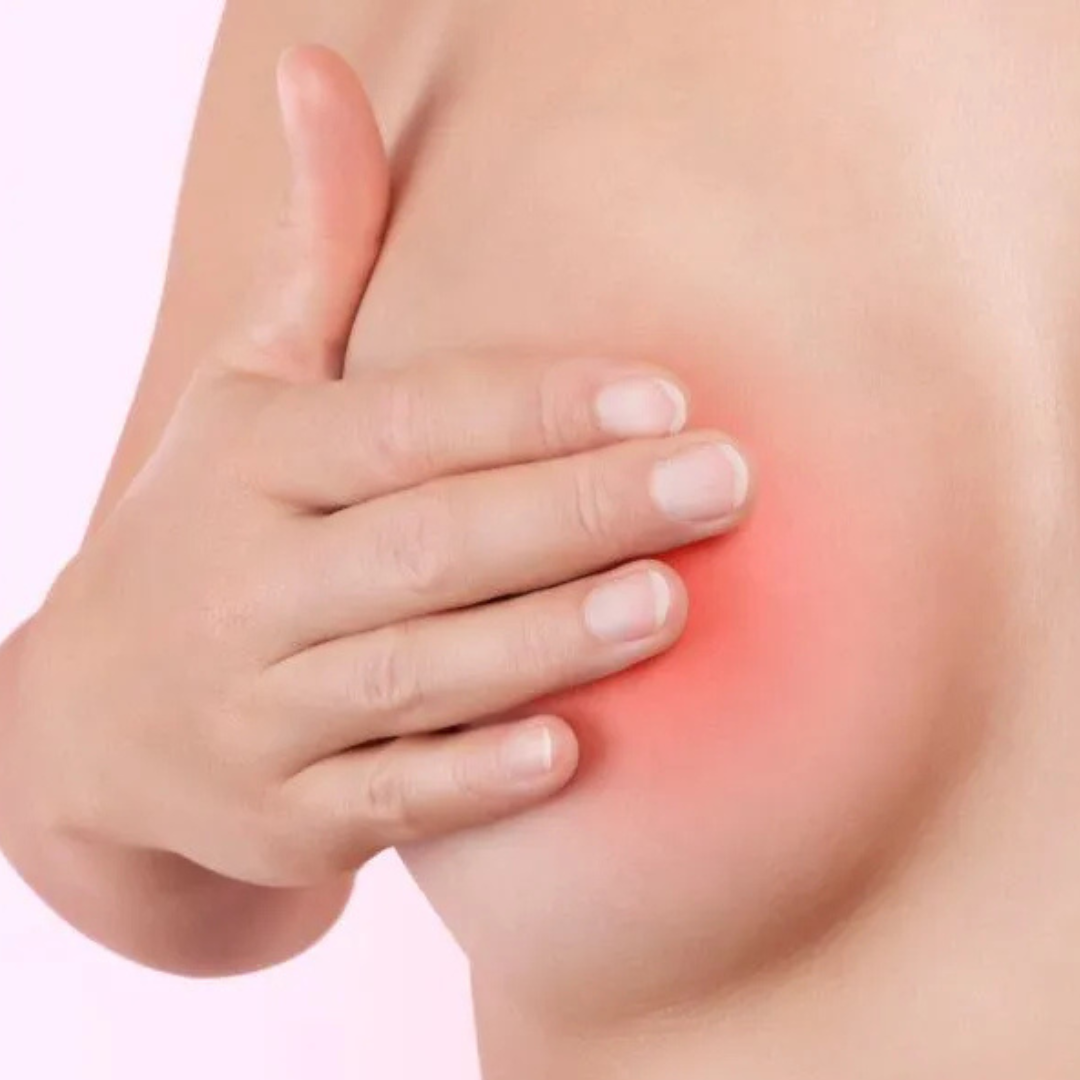
Localized breast pain and redness.
-
Swelling and warmth in the affected area.
-
Flu-like symptoms, including fever, chills, and fatigue.
-
A feeling of heaviness or engorgement in the breast.
-
Reduced milk supply from the affected side.
Managing Mastitis
Continue Breastfeeding:
-
- Frequent breastfeeding or pumping helps to keep milk flowing and reduces inflammation. Position the baby so their chin points toward the affected area for better drainage.
Rest and Hydration:
-
- Prioritize rest and drink plenty of fluids to support your body’s healing process.
Massage the Breast:
-
- Gently massage the affected area toward the nipple during and after feeding to aid milk drainage.
Pain Relief:
-
- Over-the-counter pain relievers, such as ibuprofen, can help reduce inflammation and alleviate discomfort. Always consult a healthcare provider before taking medication.
Antibiotics if Necessary:
-
- If symptoms persist or worsen, your healthcare provider may prescribe antibiotics to treat an infection. Complete the full course of antibiotics as prescribed.
When to Seek Help
-
If you experience persistent fever or flu-like symptoms.
-
If the redness or swelling spreads or worsens.
-
If you notice a hard lump that does not resolve with feeding or massage.
Preventing Mastitis
-
Ensure effective milk removal through frequent breastfeeding or pumping.
-
Address plugged ducts promptly to prevent progression to mastitis.
-
Practice good nipple care to avoid cracks and irritation.
-
Alternate breastfeeding positions to ensure all areas of the breast are emptied.
Conclusion
Mastitis is a challenging but manageable condition for breastfeeding parents. Early intervention and consistent management are key to recovery and continued breastfeeding success. If you suspect mastitis, reach out to a healthcare provider or IBCLC for tailored guidance.